

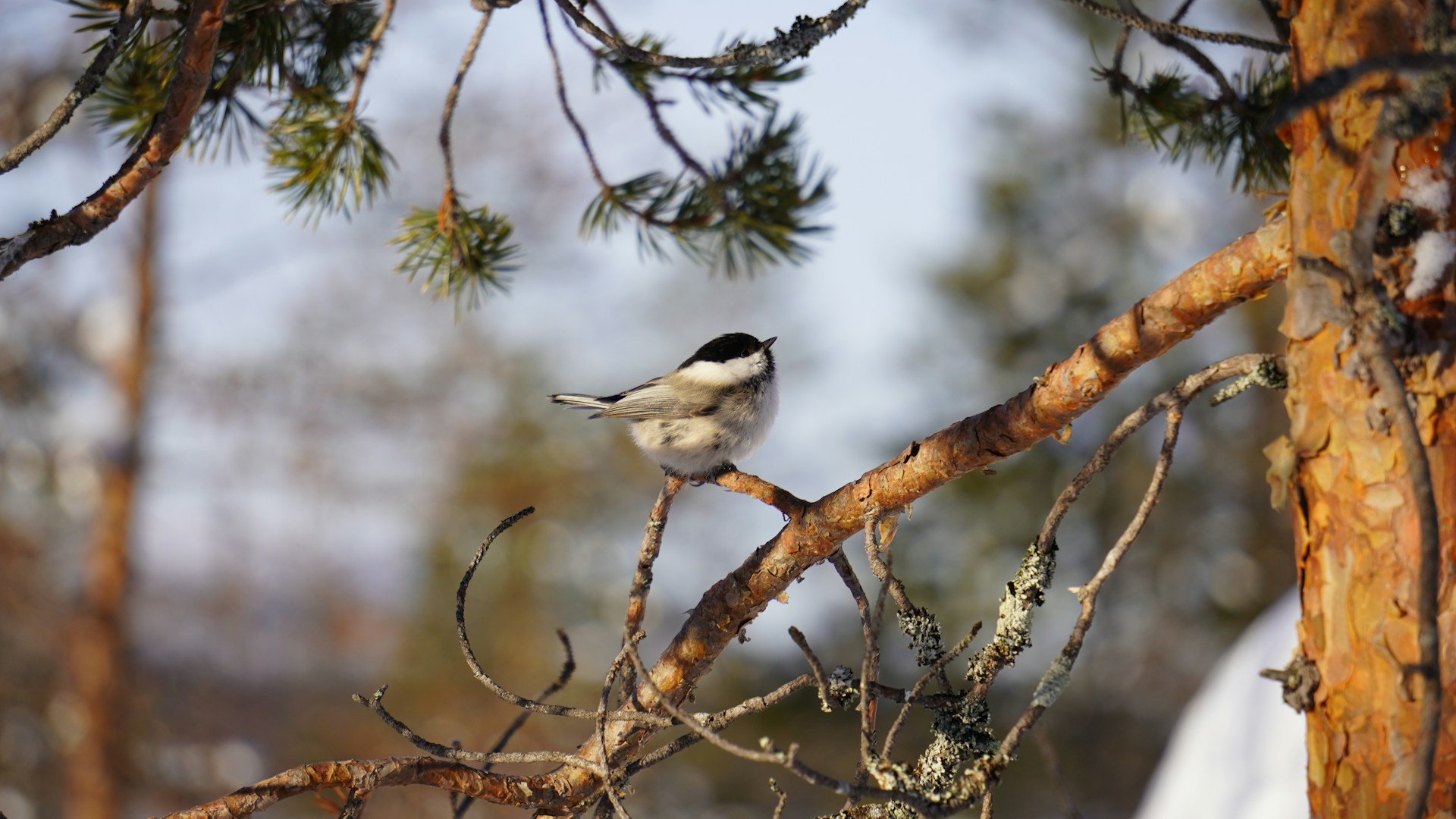
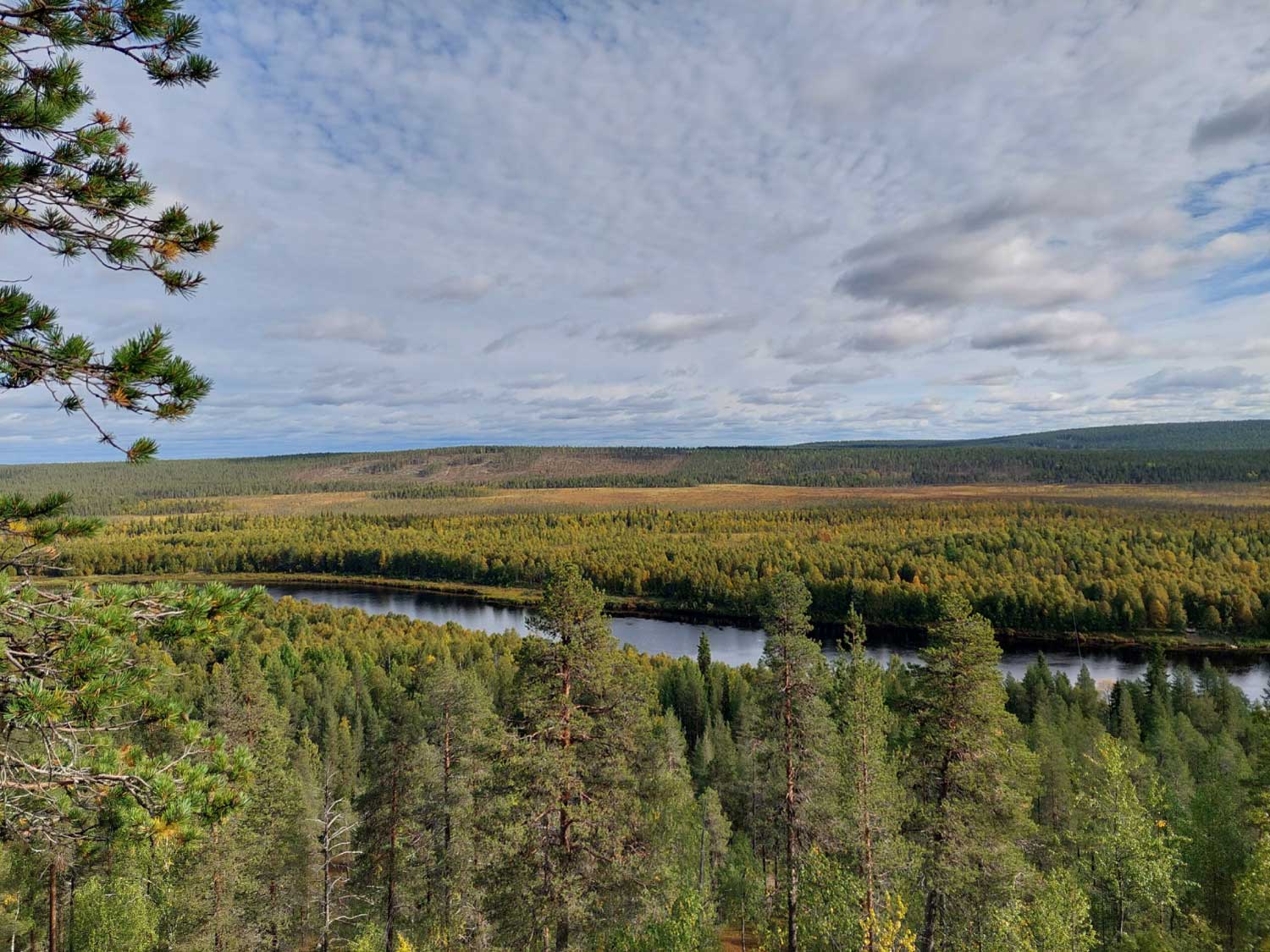
The fells, forests and wetlands of Lapland form a unique habitat for numerous bird species, making the region a true dream destination for birdwatchers. Hotel Levi Panorama provides an excellent base for birding, with easy access from the hotel to Levi’s nature trails that wind through forests, fell landscapes and wetland areas.
Birdwatching Seasons in Lapland
In Lapland, birdwatching is often at its best from late spring to early summer, when the breeding season begins and birds are at their most active. The long daylight hours make observation easier and outdoor exploration especially enjoyable.
Autumn offers a different but equally fascinating experience, as migratory birds stop at Lapland’s wetlands and marshes on their journey south. During autumn, geese, cranes, birds of prey and passerines migrate across Fell Lapland.
Hotel Levi Panorama serves as a peaceful base for nature activities. After a day outdoors, it’s easy to return to the hotel to relax and enjoy the surrounding fell scenery.

Bird Species of Lapland
Lapland’s fell, marsh and forest areas provide habitats for many Arctic and boreal bird species that are difficult to observe in Southern Finland or elsewhere in Europe. Species found in the area include:
- Lapland Bunting (Calcarius lapponicus) – breeds on fells, meadows and open areas
- Snow Bunting (Plectrophenax nivalis) – an Arctic species found on fell slopes and rocky open landscapes
- Rock Ptarmigan (Lagopus muta) – a rare species found only on the highest fells of Fell Lapland
- Willow Ptarmigan (Lagopus lagopus) – inhabits marshes and mountain birch forests
- Bluethroat (Luscinia svecica) – breeds in northern Lapland in mountain birch forests and moist, marshy areas
- Broad-billed Sandpiper (Calidris falcinellus) – a wader of northern marshes
- Ruff (Calidris pugnax) – a marshland species known for its striking spring breeding plumage
- European Golden Plover (Pluvialis apricaria) – breeds on fells and open mires
- Eurasian Curlew (Numenius arquata) – a large wader whose call echoes across Lapland’s marshes
- Green Sandpiper (Tringa ochropus) – found in northern forests and wetlands
- Siberian Jay (Perisoreus infaustus) – an iconic bird of Lapland’s forests
- Willow Tit (Poecile montanus) – common in coniferous forests
- Siberian Tit (Poecile cinctus) – a northern specialty found in coniferous and mountain birch forests
- Three-toed Woodpecker (Picoides tridactylus) – an indicator species of old-growth forests
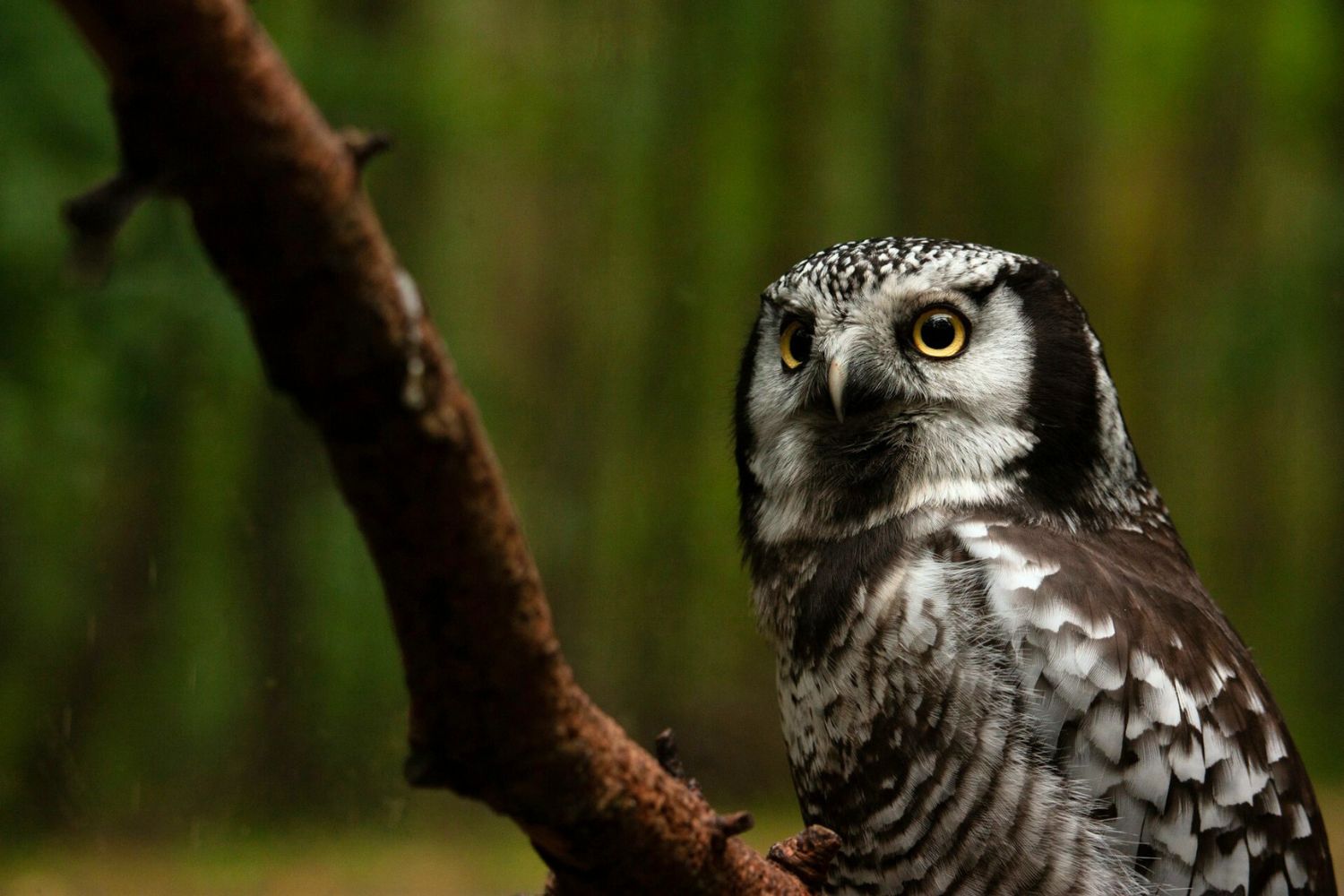
- Northern Hawk Owl (Surnia ulula) – a diurnal owl found in open coniferous forests and bogs
- Gyrfalcon (Falco rusticolus) – a rare Arctic bird of prey found on open fells and wilderness areas
Birdwatching Locations in and Around Levi
Levi Nature Trails and Forests
Levi’s hiking trails and forests provide easy access to bird habitats. Trails running along fell slopes and through forest landscapes offer excellent opportunities to observe forest and fell species with binoculars. The routes begin near Levi village and are clearly marked in the terrain.
Discover Levi’s nature trails here.
Wetlands and Marshes Around Levi
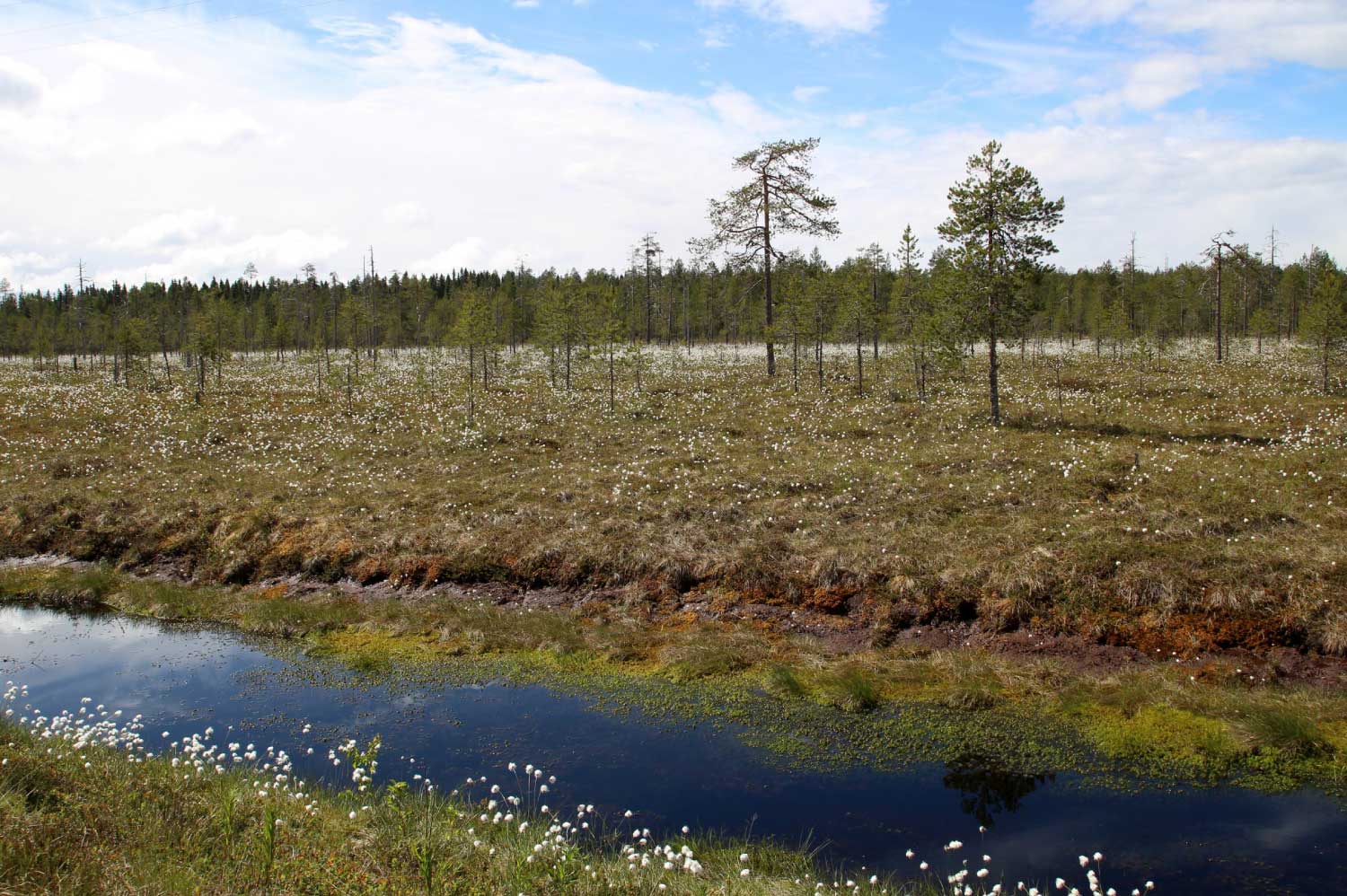
The marshes and wetlands surrounding Levi are important habitats for waders and other wetland birds. Particularly during spring and autumn migration, a wide variety of species can be observed as birds stop to rest along their migration routes.
Good birdwatching locations include the Karinnokka bird tower by the Ounasjoki River and the Akanrimpi wetland bird tower, both offering views over open wetland landscapes.
Responsible Birdwatching in Lapland’s Fragile Nature
Lapland’s fell and marsh ecosystems are sensitive environments where many bird species breed during a short and intensive summer season. Responsible birdwatching is essential to ensure that breeding birds and natural balance are not disturbed.
Birdwatchers are encouraged to follow widely accepted ethical birding principles:
- Keep a sufficient distance from birds and nesting sites
Approaching nesting birds may cause stress and even lead to nest abandonment. Many species are best observed from a distance using binoculars. - Stay on marked trails and paths
This reduces erosion and protects bird habitats, especially in marsh and fell areas. - Avoid disturbance during the breeding season
Spring and early summer are the most important breeding periods in Lapland. Quiet movement and minimizing noise help protect nesting birds. - Do not use audio playback to attract birds
Playback can disturb territorial behavior and waste birds’ energy, particularly during breeding season. - Respect local regulations and protected areas
Lapland has several nature reserves where access may be restricted to protect wildlife.
By practicing responsible birdwatching, you help preserve biodiversity and ensure that future generations can continue to enjoy Lapland’s unique birdlife. Please respect the fragile northern environment and experience its wonders in a sustainable way.
Book Your Stay in the Heart of Lapland’s Spring Wonders
Plan your trip and experience the magic of Lapland’s nature in spring!